Solutions
Get your content cited by AI search engines
ChatGPT, Perplexity, and Google AI Overviews pull answers from blog content and serve them to users who may never click through to your site. If your articles aren't structured for AI extraction, you're invisible to this growing channel. Heywrite writes articles formatted for both traditional search and AI-powered answer engines.
Try for free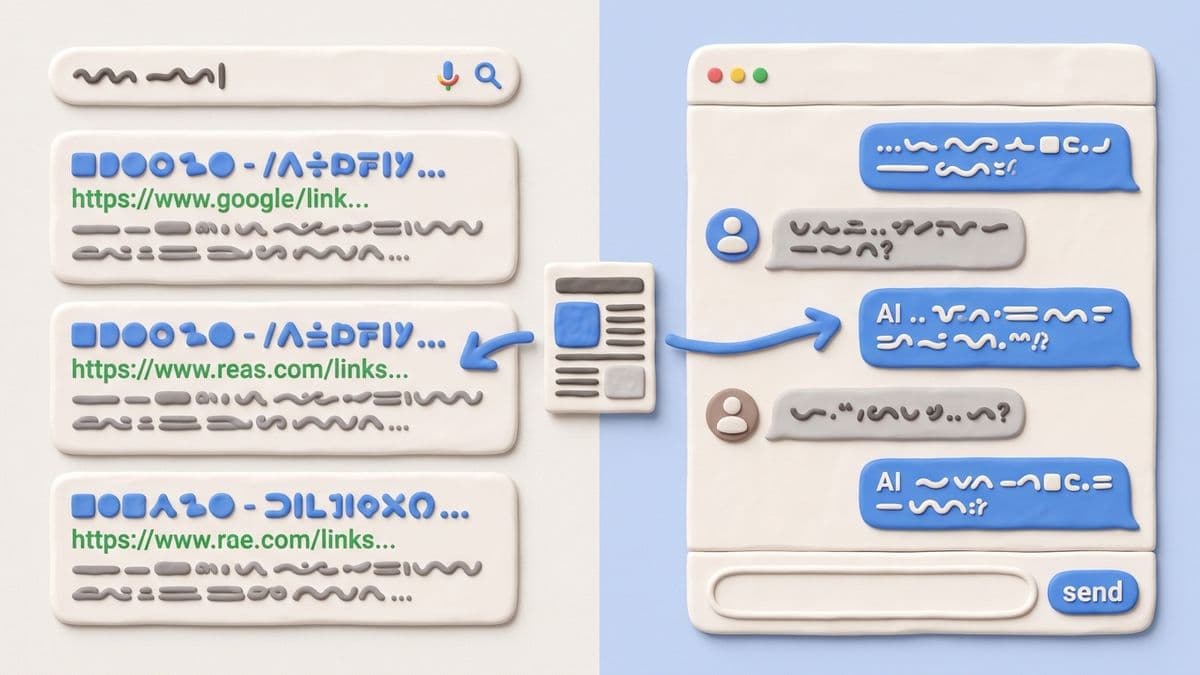
How AI search is changing content visibility
AI answers replace clicks
When Google serves an AI Overview or a user asks ChatGPT a question, the answer often comes from a blog post. But the user doesn’t visit the blog. They get the answer in the AI interface. If your content isn’t the one being cited, you lose that visibility entirely.
What AI systems extract
AI search engines favor: direct answers to specific questions, clean header structure, short declarative paragraphs (40–60 words), verifiable claims with real sources, and scannable formatting like tables and lists.
What AI systems skip
Vague intros. Filler paragraphs. Claims without sources. Wall-of-text formatting. Content that buries the answer 800 words deep. If an AI can’t extract a clean answer from your content, it’ll cite someone else’s.
What AI systems extract
AI search engines favor direct answers to specific questions, clean header structure that maps to the query, short declarative paragraphs (40–60 words), verifiable claims with real sources, and scannable formatting (tables, lists used appropriately).
Content that buries the answer 800 words deep or wraps it in vague filler gets skipped. If an AI can't extract a clean answer from your content, it cites someone else's.
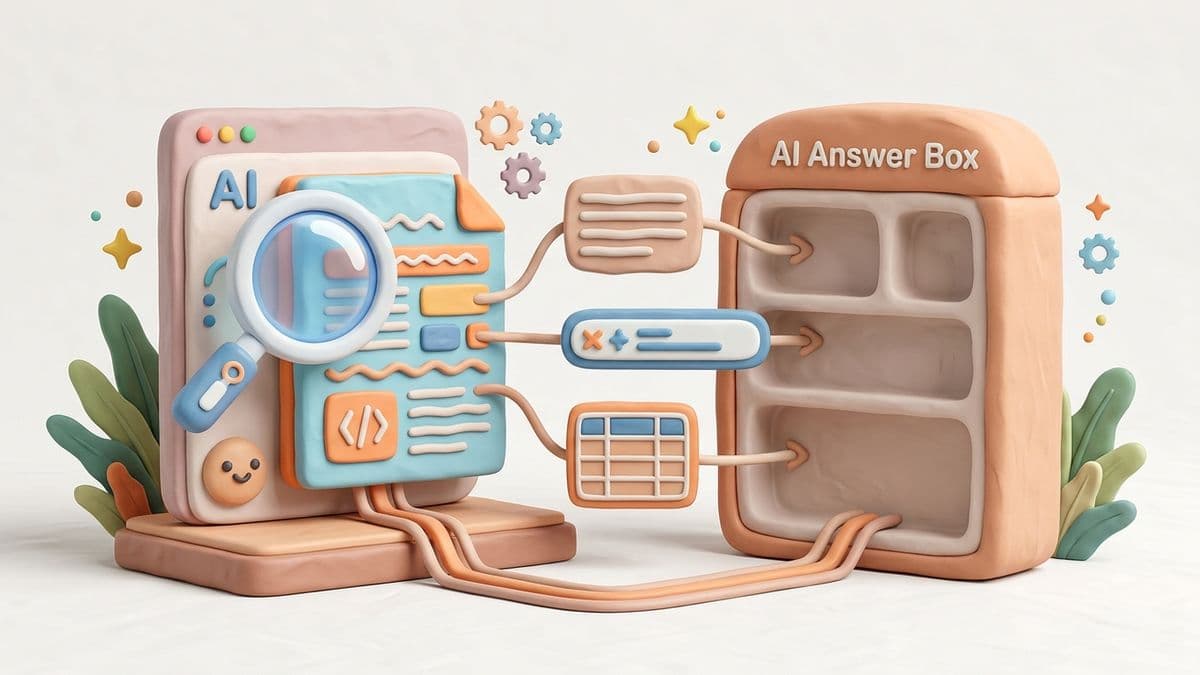
How Heywrite structures content for AI
💬Direct answers under every header
Each section opens with a clean, extractable answer in under 60 words. The kind AI systems pull into their responses.
❓Question-based headers
H2s and H3s mirror the actual questions people type into search engines and AI tools. “How does X work?” “What’s the difference between X and Y?” This is what AI systems match against.
✅Verified, sourceable claims
AI answer engines are increasingly filtering for accuracy. Content with verifiable claims from real sources is more likely to be cited than content that asserts things without backing.
Scannable structure
Short paragraphs. Tables for comparisons. No walls of text. The format AI systems parse most effectively is also the format human readers prefer.
The dual benefit
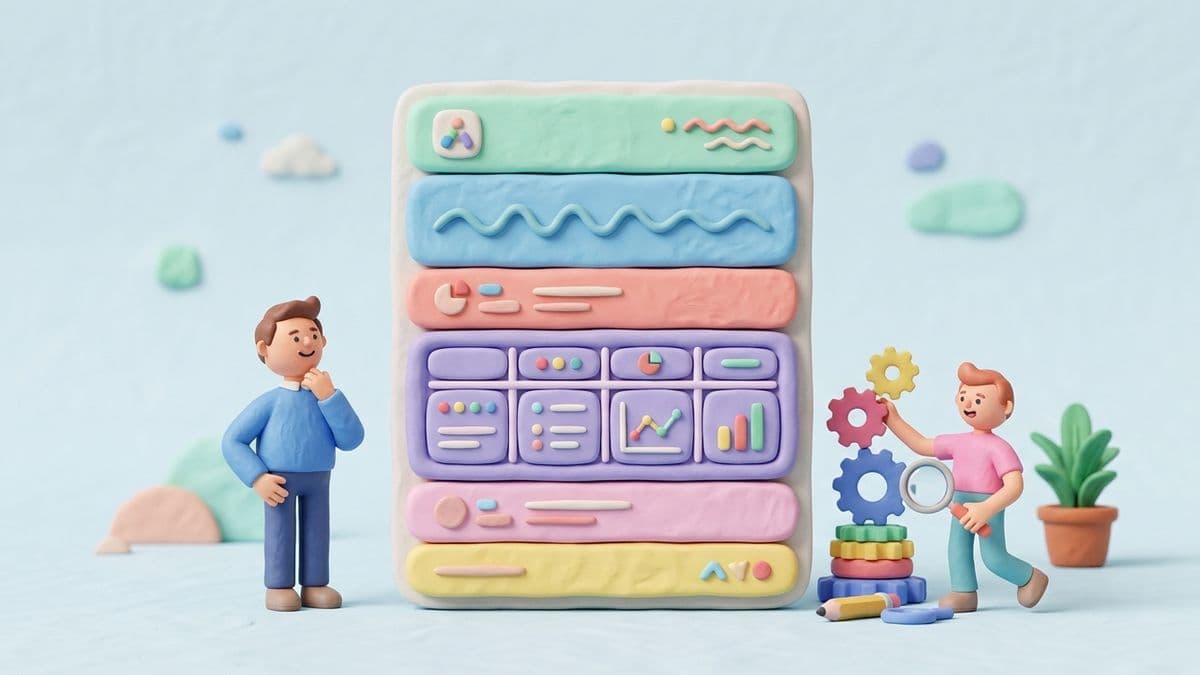
Content structured for AI extraction also performs better in traditional Google search. Clean headers improve crawlability. Direct answers increase snippet wins. Scannable formatting increases dwell time. You're not optimizing for two different things. You're optimizing for one thing that works everywhere.
Ready to get cited by AI?
Your first article takes under 5 minutes. Every plan starts with a free trial and 2 free articles.
Start for free